Pap – Ogi – Akamu
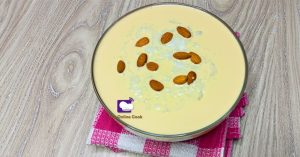
Sorghum pap also know as ogi or akamu , is a popular fermented pudding widely eaten in West Africa.
It is commonly consumed as breakfast for people of all ages or weaning food for babies because it is nutritious and easy to digest.
In Yoruba language, sorghum is called oka baba and sorghum pap is called ogi baba.
Typically, ogi is prepared with one or more whole grains such as sorghum, white corn, white millet, brown millet, yellow corn etc.
Yoruba people call it ‘Ogi’ while it is called Akamu in Igbo language. In Hausa language, pap is called ‘koko’
Basically, akamu is fermented sorghum which has undergone different stages of fermentation and preparation to make it smooth, healthy and and a popular choice.

This is called red akamu because of the main ingredients – sorghum and there is also white akamu .
Another favourite type of ogi is yellow ogi and you can learn all about it here.
Sorghum pap benefits
In many Nigerian homes, the common food for babies is pap and for many decades Nigerian mothers have been using pap to wean babies of breast milk.
This is because the fermentation process of making akamu makes it fortified with probiotics which are good for gut health.
Benefits of sorghum
Itemized below are some of the benefits of including sorghum in our diet.
- Sorghum is rich in magnesium.
- It contains high levels of antioxidants such as flavonoids, phenolic acids and tannins.
- Red sorghum is a great source of fibre.
- It also contains vitamin B, Potassium, phosphorus, iron and zinc.
Without wasting too much time, the ingredients for making sorghum akamu are listed below.
Ingredients for Nigerian Pap
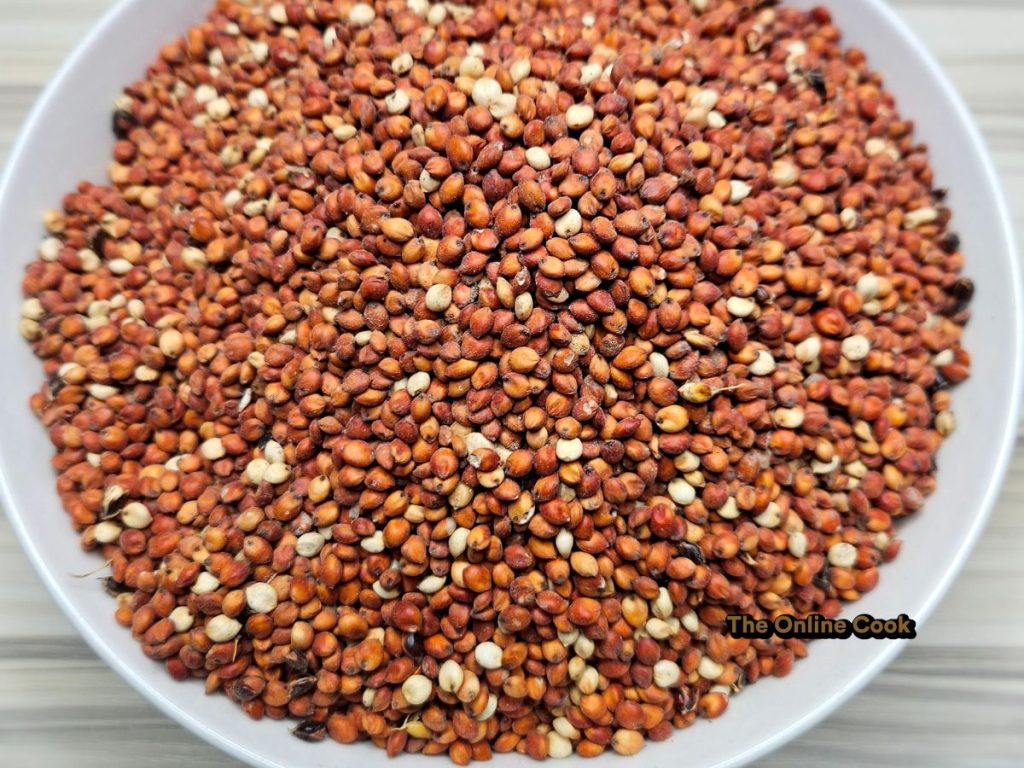
- 5 cups sorghum
- 1 fresh ginger (optional)
- 1 tbsp black pepper (optional)
- 1 tbsp cloves (optional)
- 1 tbsp uziza seeds (optional)
- 1 tbsp negro pepper (optional)
- Clean water
Equipment
- Large bowl
- Grinding mill
- Fine mesh sieve or cheese cloth
PREPARATION TIME : 4 DAYS
Kindly note that when making akamu for babies, only sorghum grains are used.
But children from age 2 above, sorghum ogi prepared with ginger is a good choice.
Lastly, before I proceed to the step by step guide on how to make ogi at home, it is essential to state that only adults can consume akamu prepared with spices such as cloves, black pepper, uziza seeds, negro pepper.
How to make sorghum pap at home.
- Sort through the sorghum grains to remove stones, dirt and damaged grains.
- Pour into a large bowl of water
- Scoop off the grains’ chaff floating on top of the water
- Rinse thoroughly with clean water
- Change the water used for rinsing multiple times until the water is clear.
- Transfer clean sorghum grains into a bowl with lids
- Add a lot of water till it covers the grains
- Cover it, let it ferment and soften for 3 days
- After 3 days open the fermented sorghum – It is normal for the fermented grains to have a peculiar smell
- Drain water used for fermentation
- Rinse the grains twice with clean water
- Put ginger, black pepper, cloves, uziza seeds and negro pepper in a bowl of water and rinse well – remember to omit this if the pap is to be consumed by children.
- Blend the fermented sorghum and the spices (optional) with water to get a thick paste.
- Make sure the sorghum paste is not too smooth so that the chaff can be easily separated from the pap.
- Put the sieve or cheesecloth into a bowl
- Pour some of the sorghum paste into the sieve
- Use your fingers to lightly spread the corn paste in the sieve
- Add water and continue to move your hands in a circular motion so that the water can help separate the pap from the shaft
- Add water repeatedly until it remains only the shaft in the sieve
- Remove the shaft and repeat the process until all the paste have been sieved
- Cover the bowl containing the pap for 6-8hours
- After 6-8 hours you will notice a clear liquid at the top as the akamu settles down.
- Allow to continue to rest undisturbed for more hours.
- After up to 6 hours, get a big bowl and decant the clear liquid into it
- The clear liquid is called omidun or omikan, save some of it for later.
- The white paste settled at the bottom is akamu.
Although this akamu has a watery consistency, it can be cooked and enjoyed for breakfast.
But for raw ogi, the thicker the better because thick akamu can be easily, it lasts longer and it give customers their money’s worth.
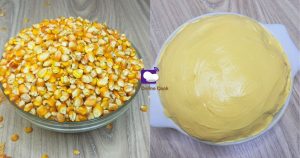
Moving forward, I’ll proceed to show you how to remove the excess water from the watery sorghum pap so that it is thick as shown in the image below.

How To Remove Excess Water From Ogi To Make it Thick
After following the outlined steps above, the next step is to remove excess liquid from your pap to make it thicker and easy to store.
- Get a cheesecloth that looks like a pillow case
- Make sure the cheese cloth does not have holes in it.
- Put it in a bowl
- Pour the watery pap into the cheese cloth and tie it well.
- Put it in a basket, place the basket in the kitchen sink
- Place a plastic bag over the cheese cloth
- Put any heavy object on the plastic bag
- Leave the heavy object in the cheese cloth for 6-12 hours or longer depending on dry you want the pap.
- You will notice the liquid gradually drain out of the pap and into the sink.
- The result is the thick Sorghum akamu or ogi baba seen below.
Preserve the akamu by putting it in the fridge and to make it last longer, keep it frozen.
To learn to cook this akamu all you need do is follow the steps highlighted here and you’ll be able to prepare healthy fermented porridge ogi.

Serve hot with:
In conclusion, sorghum pap is a simple yet highly nutritious meal packed with essential nutrients.
With few ingredients, you can make ogi in bulk and store to enjoy at home anytime.
Join this community by subscribing to this blog to get notified every time new recipes are published.
The Online Cook © 2026